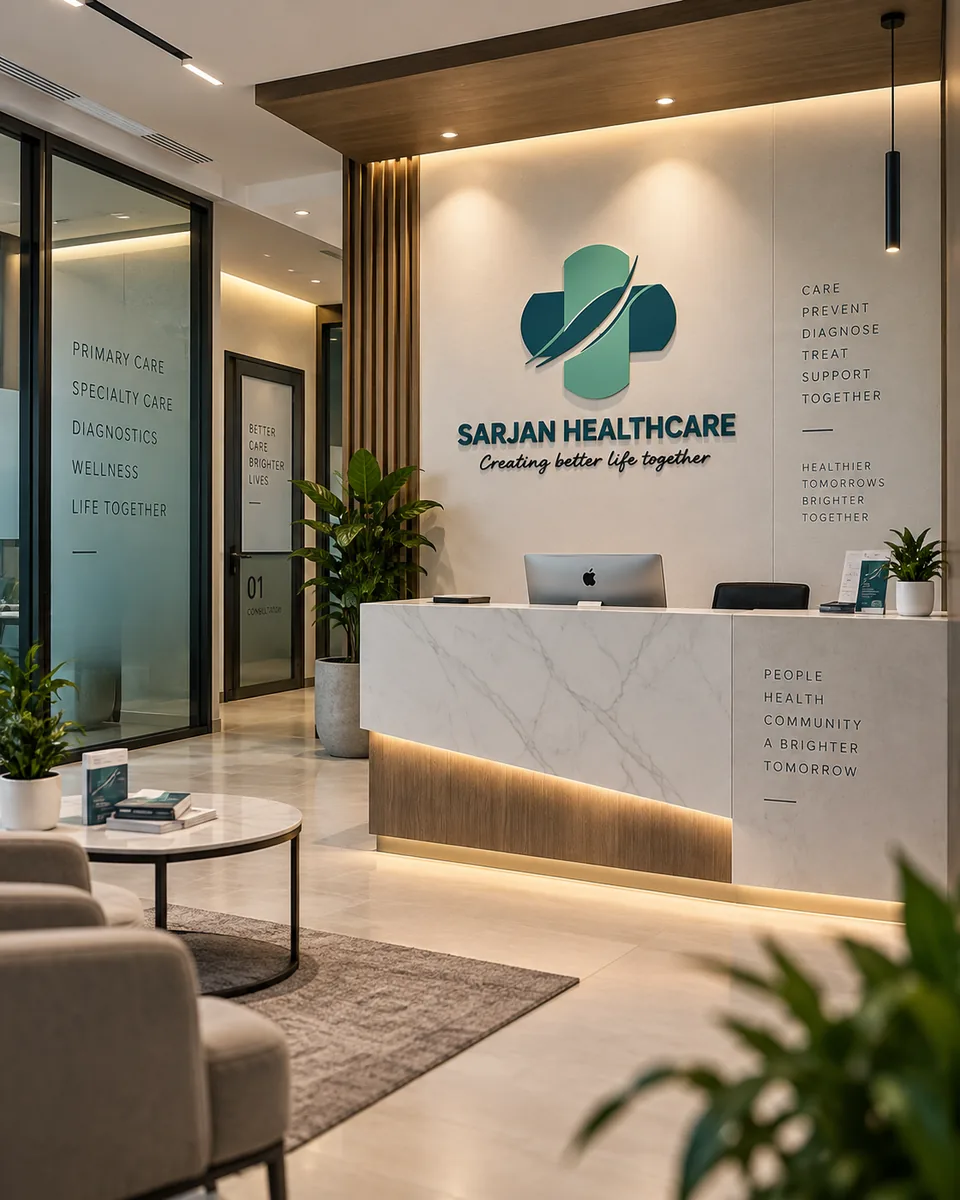
Marketing for clinics that has to be trusted before it is clicked
Patient-trust marketing, reputation management and OPD-filling campaigns — inside the compliance lines.
The problems that are specific to you.
Advertising rules you cannot afford to test
Medical council guidance, the Drugs and Magic Remedies Act, platform health policies. A claim that reads fine in a marketing meeting can cost a practitioner far more than the campaign was worth.
Trust is decided before the first click
Patients read reviews, look for the doctor's name and check the hospital's photographs. Most of the decision happens before anyone reaches your website.
Local search decides the footfall
For an OPD, the Google Business Profile and the map pack matter more than the homepage. Very few clinics have theirs maintained.
The sector we know best
Healthcare and wellness is the largest part of our client base, and it is the least forgiving. The work has to bring patients in without making a claim that puts a registration at risk, and it has to do it in a market where the most powerful marketing asset is what a stranger wrote on Google eleven months ago.
Where we start
Almost always with the unglamorous audit: the Google Business Profile, the review flow, the photographs, the phone number that rings the right desk, and whether calls and WhatsApp taps are being counted at all. In most clinics, fixing those produces more appointments in eight weeks than a new campaign would.
Then the content — your own clinicians on camera, answering the questions they answer all day. Then paid media, aimed at a department and a catchment, measured in booked appointments.
What we will not do
We will not write outcome guarantees, we will not run patient testimonials that make medical claims, and we will not buy reviews. Beyond the ethics of it, all three are how a practice ends up explaining itself to a council rather than treating patients.
Reputation, managed review by review
Review generation at the right moment in the patient journey, responses written to be read by the next patient, and profiles kept current across the places people actually check.
Doctor-led content, not stock photography
Short-form video with your own clinicians answering the questions patients ask in the waiting room. It is the most effective healthcare content there is, and the cheapest to produce.
Campaigns that fill specific slots
Built around a department, a camp or a season, measured in appointments booked rather than reach — with call and WhatsApp events tracked as conversions.
Multilingual as standard
Gujarati, Hindi and English, because in South Gujarat the language of the ad decides whether it is read.
Usually some combination of these four.
Digital Marketing
Performance-driven growth, measured weekly rather than quarterly.
Content & Communication
The channels your customers actually open.
Branding & Creative
Your visual and verbal identity, unmistakably yours at every touchpoint.
Web & Technology
The same engineers who ship our own platform build for our clients.
Before you book the call.
Institutions have more latitude than individual practitioners, and the rules turn on claims rather than on advertising itself. Factual information about services, facilities and availability is generally acceptable; guarantees of cure, comparative superiority and testimonials about outcomes are where practices get into trouble. We write to the conservative side of that line and flag anything borderline before it runs.
In our experience, in order — a well-maintained Google Business Profile with current photographs and a steady flow of recent reviews, clinician-led video, and paid search on treatment-intent terms in the surrounding pin codes. Brand awareness campaigns come after those, not before.
Yes, though the sensible starting point is usually local search and reputation rather than a retainer with paid media in it. We would rather set that up well and grow into more than sell you a package you cannot use.
FMCG & Cosmetics
Packaging that wins the shelf, and launches that build distribution demand before the truck arrives.
Bars, Restaurants & Hospitality
Signature content and occupancy campaigns, with reputations managed review by review.
Real Estate & Infrastructure
Lead engines that carry a project from launch day to the last unit sold.
We already know your terrain.
Book a no-obligation discovery call. We’ll tell you honestly what we’d do first — you’ll leave with value either way.